
Unmasking Hidden Colors
by Kidsview staff
Have you ever looked at a leaf and wondered where its color comes from? A leaf may look green, but it can contain several different pigments—the natural substances that give things their color.
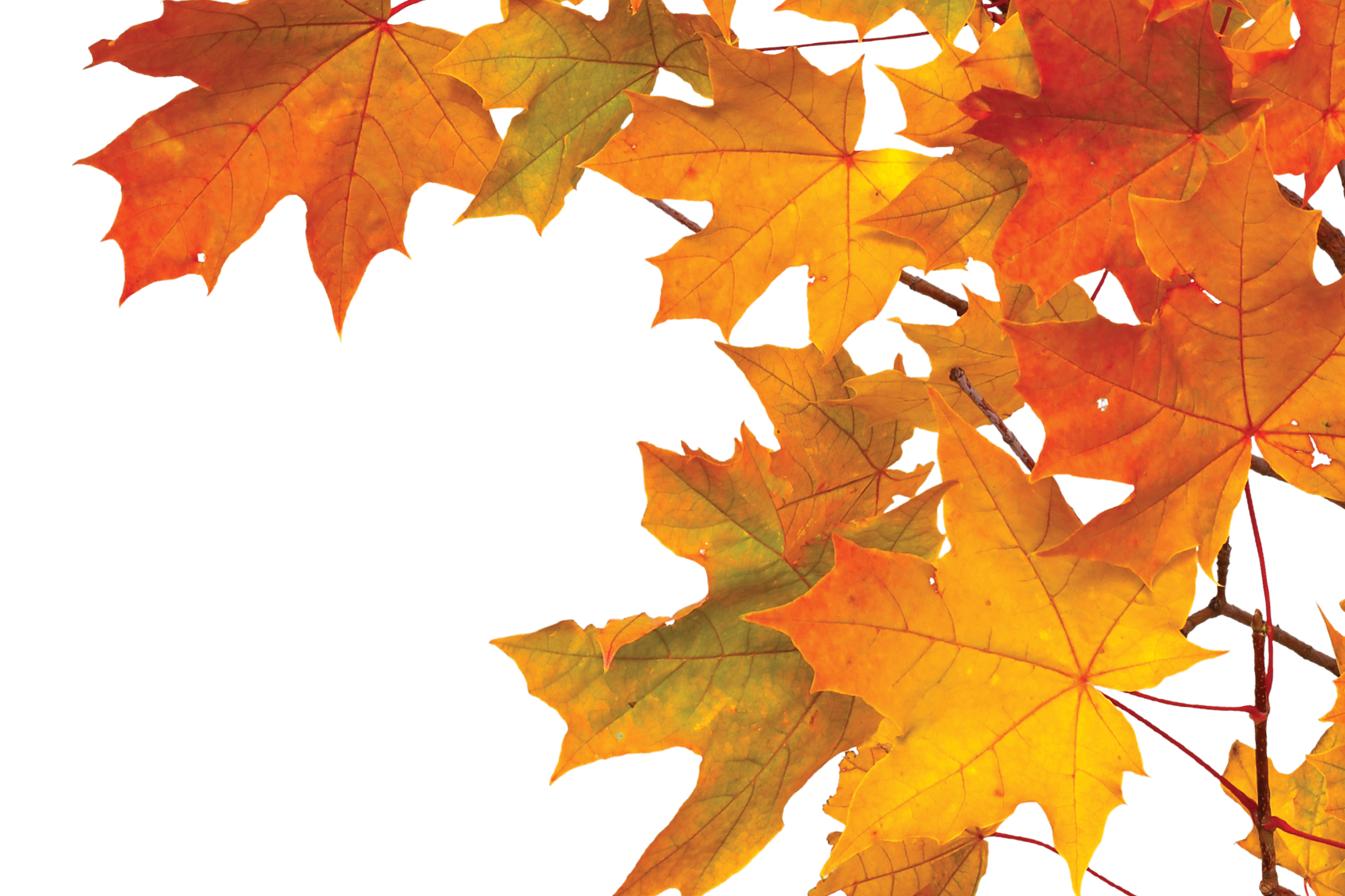
The most important green pigment is called chlorophyll. Plants use chlorophyll to help make food from sunlight. During the summer there is so much chlorophyll in a leaf that it hides many of the other colors. When autumn arrives, trees stop making as much chlorophyll, and the green color begins to disappear. Suddenly the yellow, orange, and sometimes red colors that were hiding in the leaf become easier to see.
In this experiment you’ll use a process called chromatography to separate the different pigments in a leaf. Think of it as a color-detective experiment—you’ll find out how many colors were hiding inside a leaf all along! Make sure an adult works with you for this experiment.
What You Need
• Fresh leaves—try leaves of
different colors or from
different kinds of trees
• Rubbing alcohol (isopropyl
alcohol), adult supervision
required
• A clear glass or small jar
• Coffee filters
• A spoon
• A pencil or wooden skewer
• Plastic wrap
• Tape
• Scissors
What to Do
1. Choose a leaf. Try a green, yellow, orange, or a leaf that has more than one color.
2. Tear the leaf into very small pieces and put the pieces in the bottom of the jar.
3. Crush the leaf. Use the back or end of a spoon to mash the pieces. This helps release the pigments trapped inside the leaf.
4. Add rubbing alcohol. An adult should help you to add just enough alcohol to cover the pieces of leaf—about ½-inch deep.
5. Cover the jar. Cover the jar with plastic wrap and let it sit for about 20 to 30 minutes. Every few minutes, carefully crush the leaf pieces again. The alcohol should begin to turn dark green or another color.
6. Make your paper strip. Cut a narrow strip from a coffee filter. Tape one end of the strip to the pencil or skewer so that the strip can hang down into the jar.
7. Put the strip in the jar. The bottom of the paper should just touch the alcohol. Make sure that the paper does not touch the pieces of leaf.
8. Watch the colors climb! Leave the paper in place for 30 to 60 minutes. The alcohol will slowly travel up the paper and carry the leaf pigments with it.
9. Look closely. You may see different colors separating into bands on the paper. Remove the paper and let it dry.
10. Try the experiment with different leaves. Compare your leaves. Do they all have the same colors? Which leaf shows the most colors?
What’s Happening?
The pigments in a leaf are mixed together, but they don’t all move through the paper at the same speed. Some pigments travel farther with the alcohol, while others move more slowly. Chromatography takes advantage of these differences. As the alcohol climbs the paper, it carries the pigments along with it. The pigments separate, allowing us to see colors that were mixed together inside the leaf. So that green leaf you started with might have had yellow or orange pigments hiding inside it all along!
Think Like a Scientist
What colors did you find in your leaf?
Did one color travel farther than the others?
Why do you think trees stop making as much chlorophyll in the fall?
Spiritual Connection
Sometimes we look at ourselves and see only what is wrong with us. Sometimes we look at someone else and think we know what they’re like because of what we see on the outside. But God sees the whole person. He sees what is hidden. He sees our struggles, our gifts, our potential, and the beautiful person He is helping us become.
The next time you see a green leaf, remember the words of 1 Samuel 16:7: “For the Lord does not see as man sees; for man looks at the outward appearance, but the Lord looks at the heart.”